The two-week wait — the period between ovulation and when you can take a pregnancy test — is notoriously difficult. Every twinge feels significant. Every unusual sensation becomes a potential sign.
Here's a realistic guide to early pregnancy symptoms: what they feel like, when they start, and how to tell them apart from PMS.
When Do Pregnancy Symptoms Start?
Most women don't experience noticeable pregnancy symptoms until 4–6 weeks after their last period (2–4 weeks after conception). This is roughly when hCG (human chorionic gonadotropin) levels — the pregnancy hormone — rise enough to cause physical effects.
However, some women report symptoms as early as 1–2 weeks after conception, including:
- Implantation cramping and spotting (6–12 days after conception)
- Breast tenderness
- Fatigue
The Most Common Early Pregnancy Symptoms
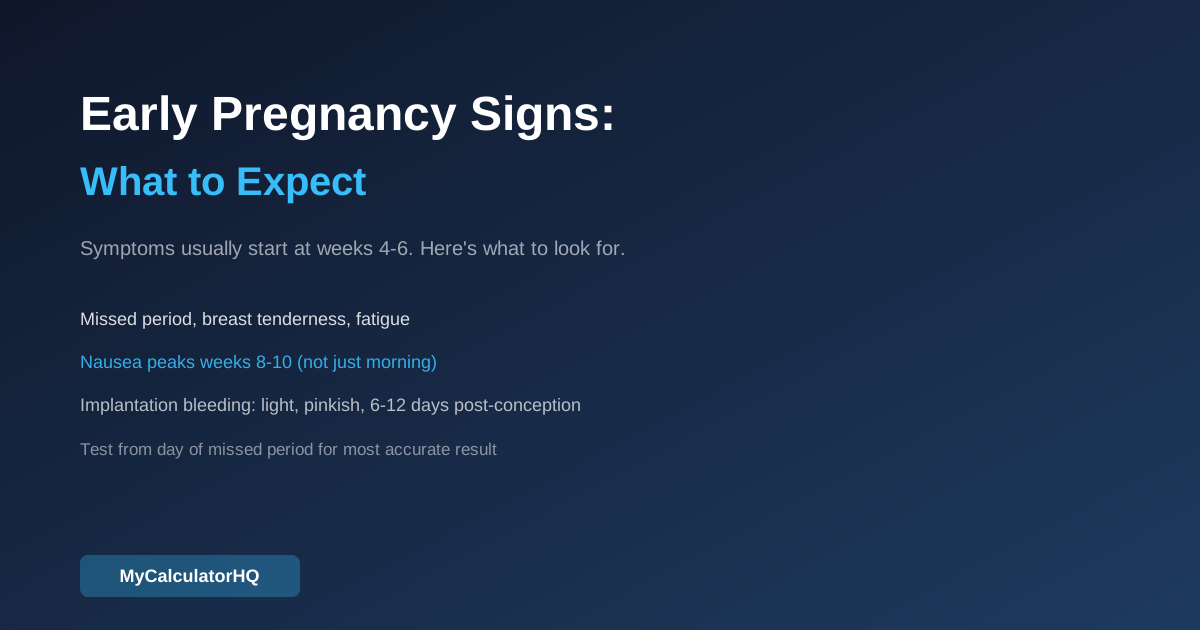
Missed period: For women with regular cycles, this is usually the first clear sign. A missed period at week 4 is when most home pregnancy tests are taken.
Implantation bleeding: Light spotting or pinkish discharge 6–12 days after conception, when the fertilized egg attaches to the uterine lining. Often mistaken for an early period — but typically lighter, shorter, and pinkish rather than red.
Breast tenderness and changes: One of the earliest symptoms for many women. Breasts may feel sore, heavy, or tingly. The areolas may darken. Caused by rapidly increasing estrogen and progesterone.
Fatigue: Profound tiredness is common in early pregnancy — often described as unlike any normal tiredness. Caused by rising progesterone and the massive energy demands of early fetal development. Typically worst in weeks 6–10.
Nausea: "Morning sickness" is a misnomer — it can occur at any time of day. Usually begins around week 6, peaks around weeks 8–10, and resolves for most women by week 12–14. Caused by rapidly rising hCG levels. About 70–80% of pregnant women experience some nausea.
Frequent urination: Begins earlier than most people expect — around week 6. The kidneys process more blood during pregnancy, producing more urine. Also, hCG stimulates more frequent urges.
Food aversions and cravings: Strong aversions to previously liked foods — or cravings for unexpected things — can begin as early as week 5–6. Often linked to nausea.
Heightened sense of smell: Many women report that smells become overwhelming in early pregnancy. A previously neutral smell might suddenly trigger nausea.
Early Symptoms vs. PMS: How to Tell the Difference
Many early pregnancy symptoms overlap with PMS, making it genuinely difficult to distinguish before a positive test.
| Symptom | PMS | Early Pregnancy |
|---|---|---|
| Breast tenderness | Common, resolves with period | Persistent, may intensify |
| Cramping | Before/during period | Mild, implantation timing |
| Bloating | Common | Common |
| Mood changes | Common | Common |
| Nausea | Less common | Very common from week 6 |
| Fatigue | Mild to moderate | Often more pronounced |
| Spotting | Normal period | Light implantation bleed |
The honest answer: you often can't reliably distinguish early pregnancy from PMS by symptoms alone. A home pregnancy test is the only reliable way to know.
When to Take a Pregnancy Test
Home pregnancy tests detect hCG in urine. Most tests are accurate from the first day of a missed period. Some sensitive tests claim accuracy 5–6 days before a missed period — but false negatives are more common this early.
For the most reliable result: test on the day of your expected period or after, using first morning urine (highest hCG concentration).
A positive result is almost always accurate. A negative result before your expected period may simply mean hCG hasn't risen enough yet — retest in a few days if your period doesn't arrive.
Calculate your due date and track your pregnancy from the start with our Pregnancy Calculator.
Common Questions
Frequently Asked Questions
Calculators Mentioned in This Article
Related Articles

BMI Calculator for Men vs. Women: Why the Same Number Means Different Things

How to Lower Your BMI: What Actually Works (And What Doesn't)

BMI by Age: How the Healthy Range Changes as You Get Older
Get calculator tips
Weekly guides. No spam. Free forever.
You're in! Check your inbox.