Pregnancy nutrition advice can feel overwhelming — and sometimes contradictory. Eat more protein. Avoid soft cheese. Take folic acid. Don't eat sushi. Eat fish for omega-3s but avoid high-mercury fish.
Here's a practical breakdown of what actually matters, without the unnecessary anxiety.
The Key Nutrients in Pregnancy
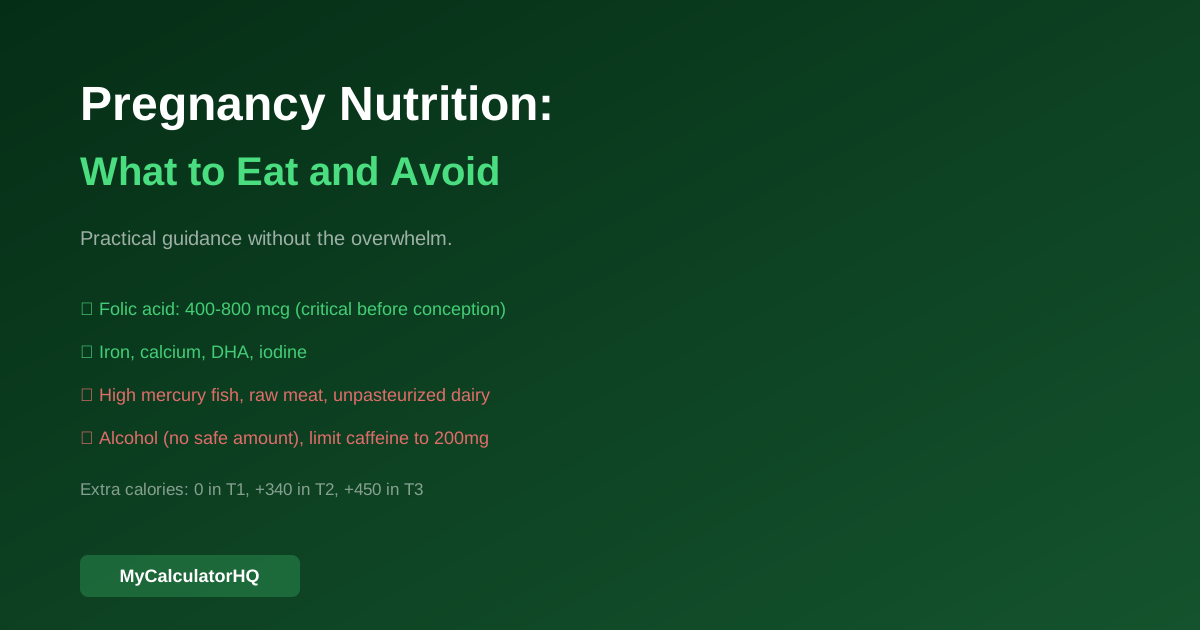
Folic acid (Folate): The most critical nutrient, especially in the first 4 weeks — often before you know you're pregnant. Folate supports neural tube development and significantly reduces the risk of spina bifida and anencephaly.
Recommended: 400–800 mcg daily before and during early pregnancy. Found in leafy greens, legumes, fortified cereals, and prenatal vitamins.
Iron: Blood volume increases ~50% during pregnancy, requiring significantly more iron. Iron deficiency anemia is common and increases fatigue and risk of preterm birth.
Recommended: 27 mg daily (vs. 18 mg normally). Found in red meat, poultry, lentils, fortified cereals. Pair with vitamin C for better absorption.
Calcium: Supports fetal bone development. If intake is insufficient, the baby draws calcium from maternal bones.
Recommended: 1,000 mg daily. Found in dairy products, fortified plant milks, sardines with bones, tofu.
DHA (Omega-3): Critical for fetal brain and eye development, particularly in the third trimester.
Recommended: 200–300 mg DHA daily. Found in fatty fish (salmon, sardines, trout), DHA-enriched eggs, algae-based supplements.
Iodine: Essential for thyroid function and fetal brain development. Many prenatal vitamins don't contain enough.
Recommended: 220 mcg daily. Found in dairy, seafood, iodized salt.
How Much Extra to Eat
The common advice to "eat for two" leads to excessive weight gain. The actual calorie additions:
- First trimester: No additional calories needed
- Second trimester: approximately 340 extra calories/day
- Third trimester: approximately 450 extra calories/day
340–450 extra calories is modest — a snack, not a second meal. Focus on nutrient density rather than volume.
Foods to Avoid During Pregnancy
High-mercury fish: Shark, swordfish, king mackerel, tilefish, bigeye tuna. Mercury accumulates in the nervous system and can impair fetal brain development. Low-mercury fish (salmon, sardines, shrimp, canned light tuna) are safe and recommended.
Raw or undercooked meat, poultry, and seafood: Risk of Listeria, Salmonella, and Toxoplasma. Sushi with raw fish, rare steak, and raw shellfish should be avoided.
Unpasteurized dairy and soft cheeses: Brie, camembert, blue-veined cheeses made from unpasteurized milk carry Listeria risk. Hard cheeses and pasteurized versions are safe.
Raw sprouts: Alfalfa, clover, radish, and mung bean sprouts can harbor bacteria even when washed. Cook them if consuming.
Caffeine: Current guidelines suggest limiting to under 200 mg/day (about one 12oz coffee). Higher intake is associated with increased miscarriage risk and lower birth weight.
Alcohol: No safe amount has been established. Avoid entirely.
Managing Common Nutrition Challenges
Morning sickness: Small, frequent meals. Bland carbohydrates (crackers, toast) are often better tolerated. Cold foods may be easier than hot. Ginger has some evidence for reducing nausea.
Food aversions: If you can't tolerate vegetables you normally eat, find alternatives. If meat is repulsive, get protein from eggs, legumes, dairy, or nuts. Your prenatal vitamin covers some nutritional gaps.
Heartburn: Common in the third trimester. Smaller meals, avoiding lying down after eating, and elevating the head of your bed can help.
Track your pregnancy week by week with our Pregnancy Calculator.
Common Questions
Frequently Asked Questions
Calculators Mentioned in This Article
Related Articles

BMI Calculator for Men vs. Women: Why the Same Number Means Different Things

How to Lower Your BMI: What Actually Works (And What Doesn't)

BMI by Age: How the Healthy Range Changes as You Get Older
Get calculator tips
Weekly guides. No spam. Free forever.
You're in! Check your inbox.